Production process
A system, not an improvisation.
Same six stages on a one-camera interview and a six-crew campaign. The scale changes; the process doesn’t.
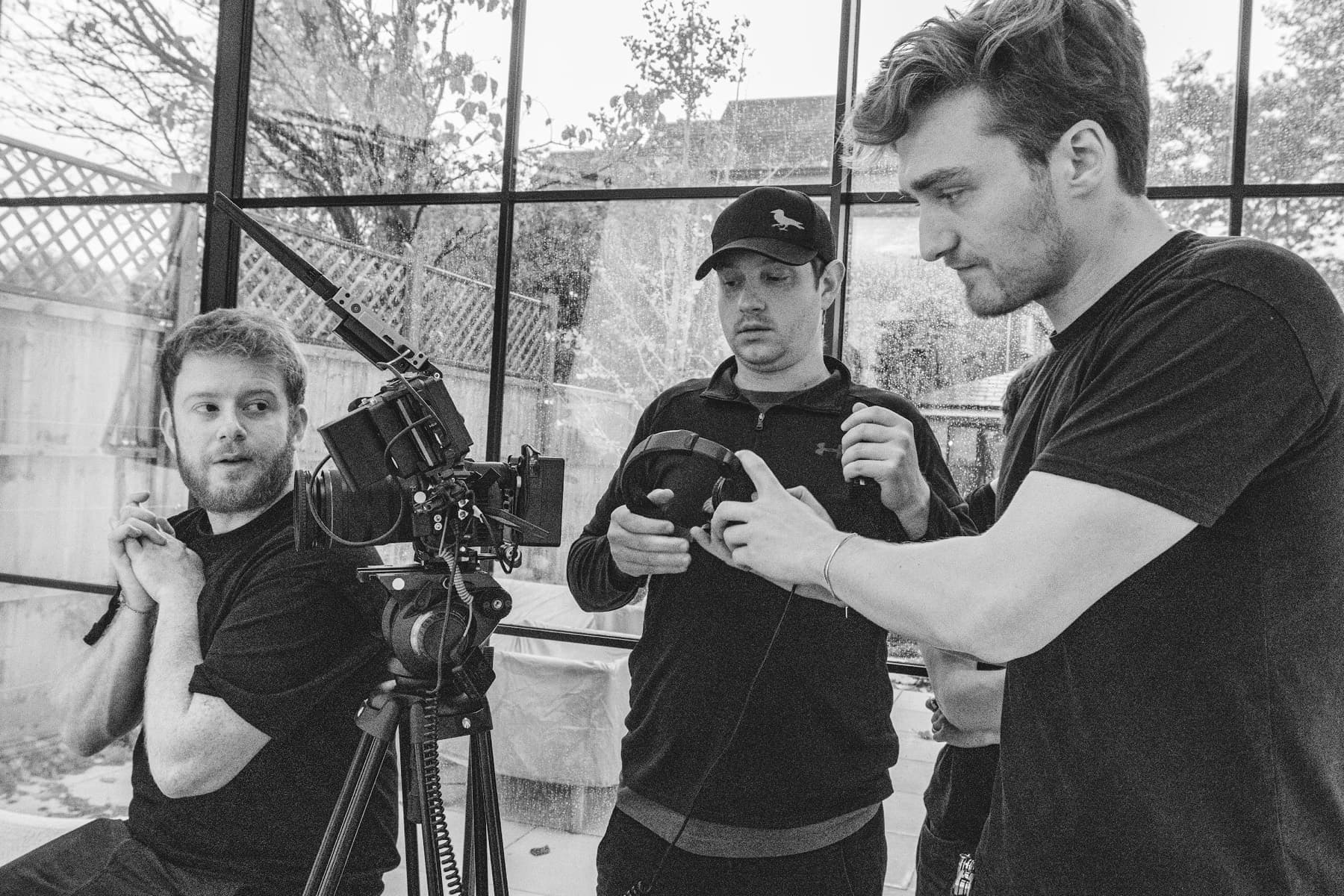
Talking the brief through before the day
We take the brief as it comes.
A deck, an email, a call. We read it, ask the questions that change the budget, and confirm what actually needs delivering, and by when.
The same six stages
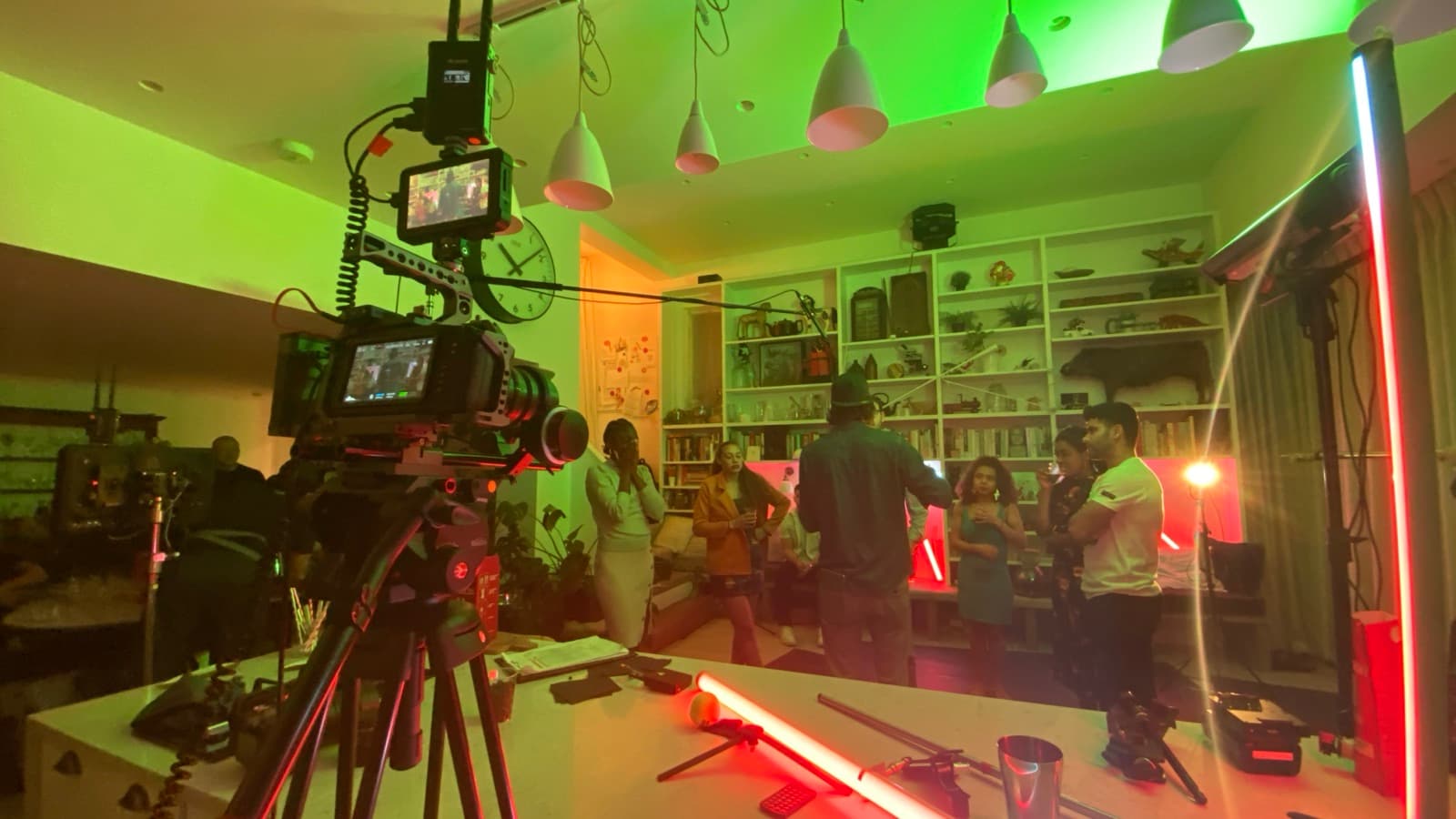
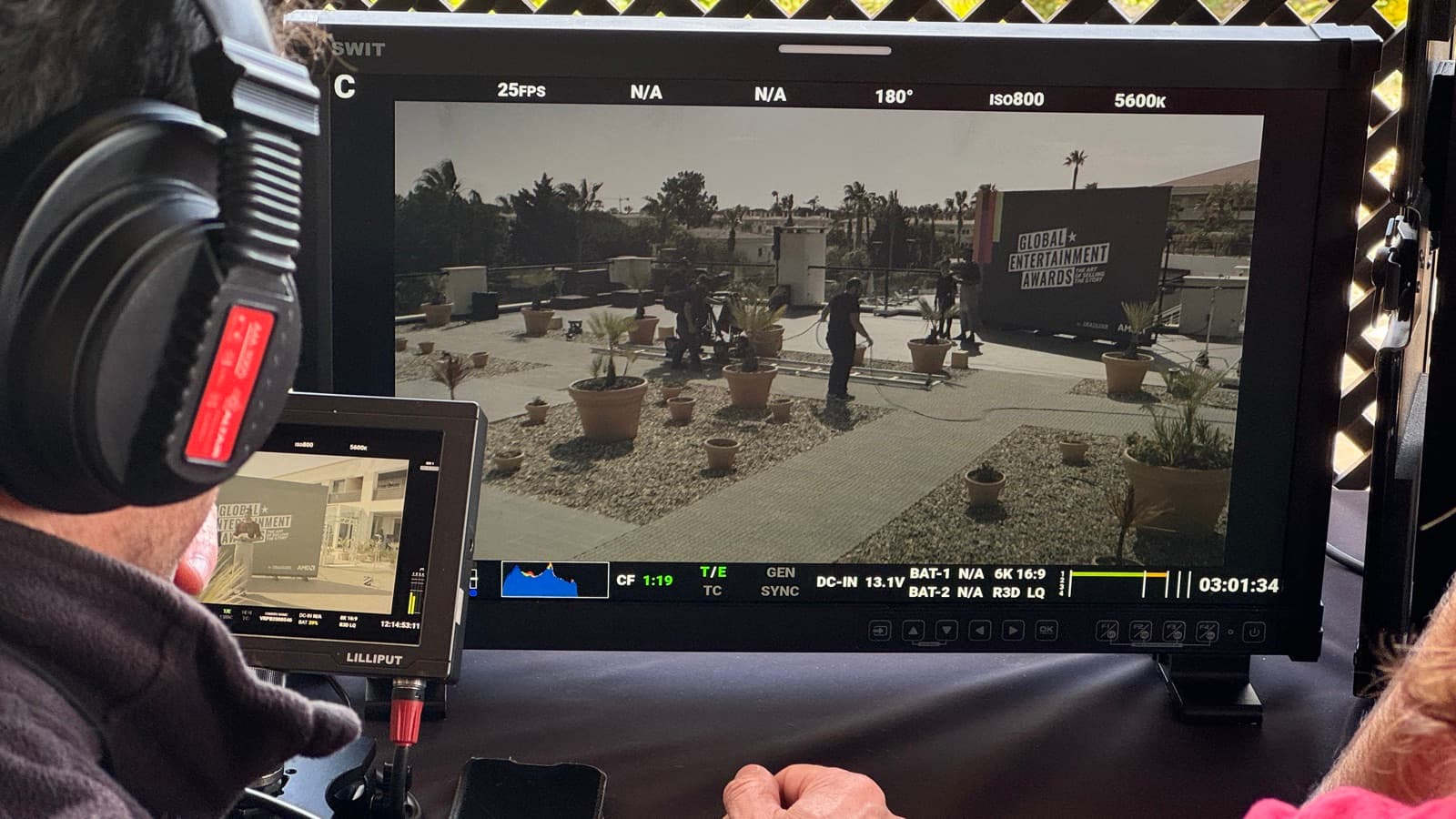
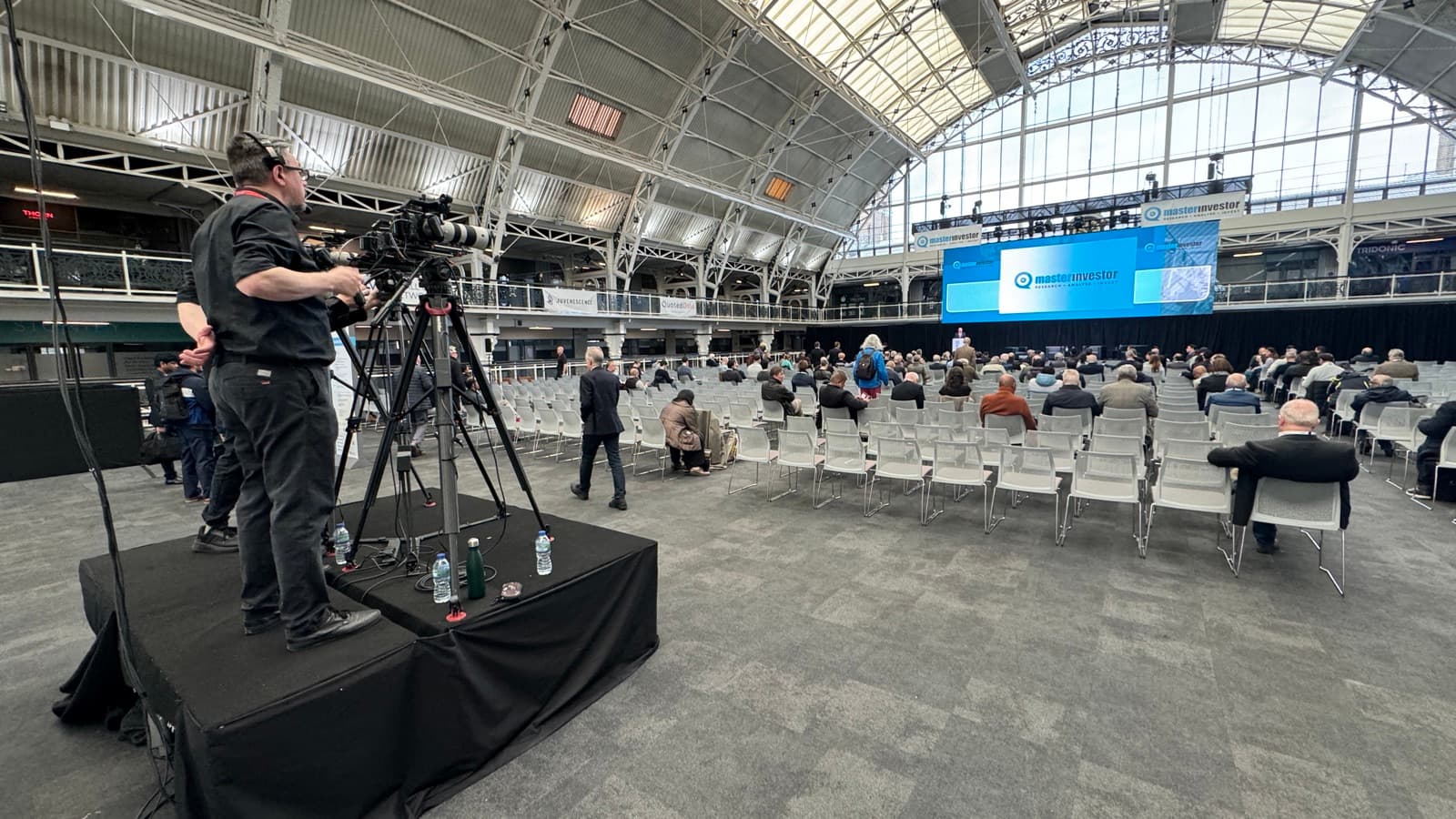
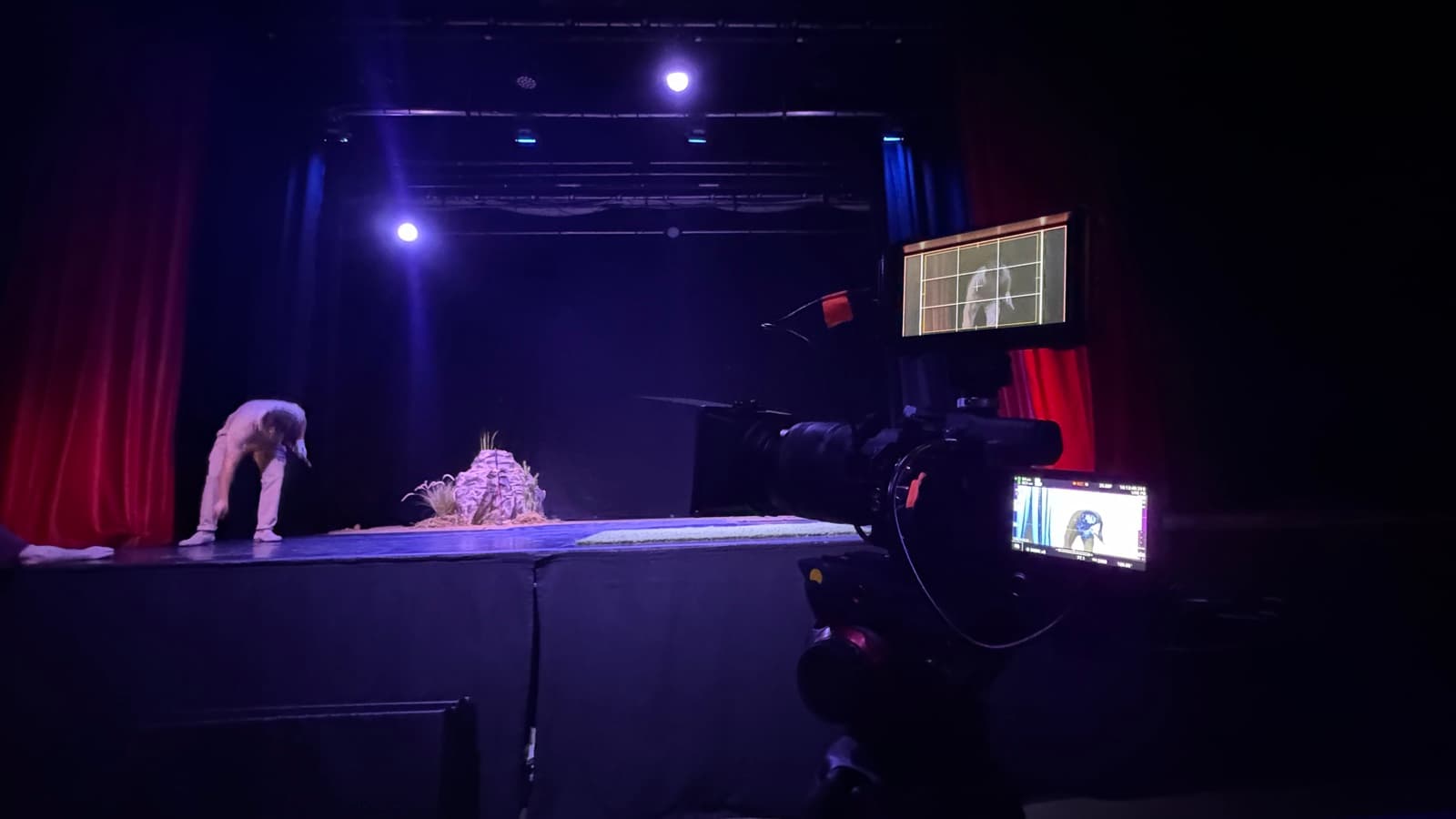
What it looks like on the day.
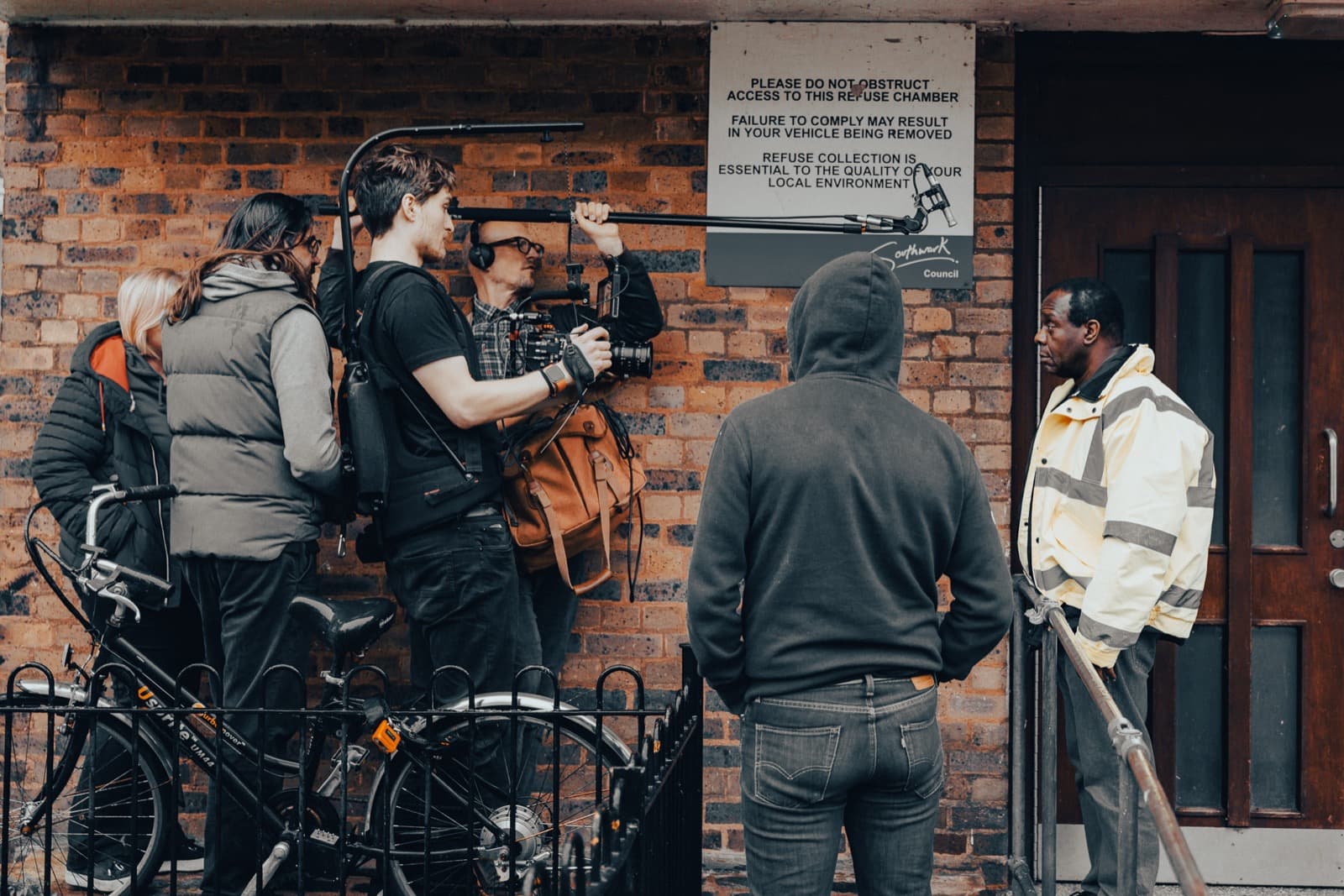
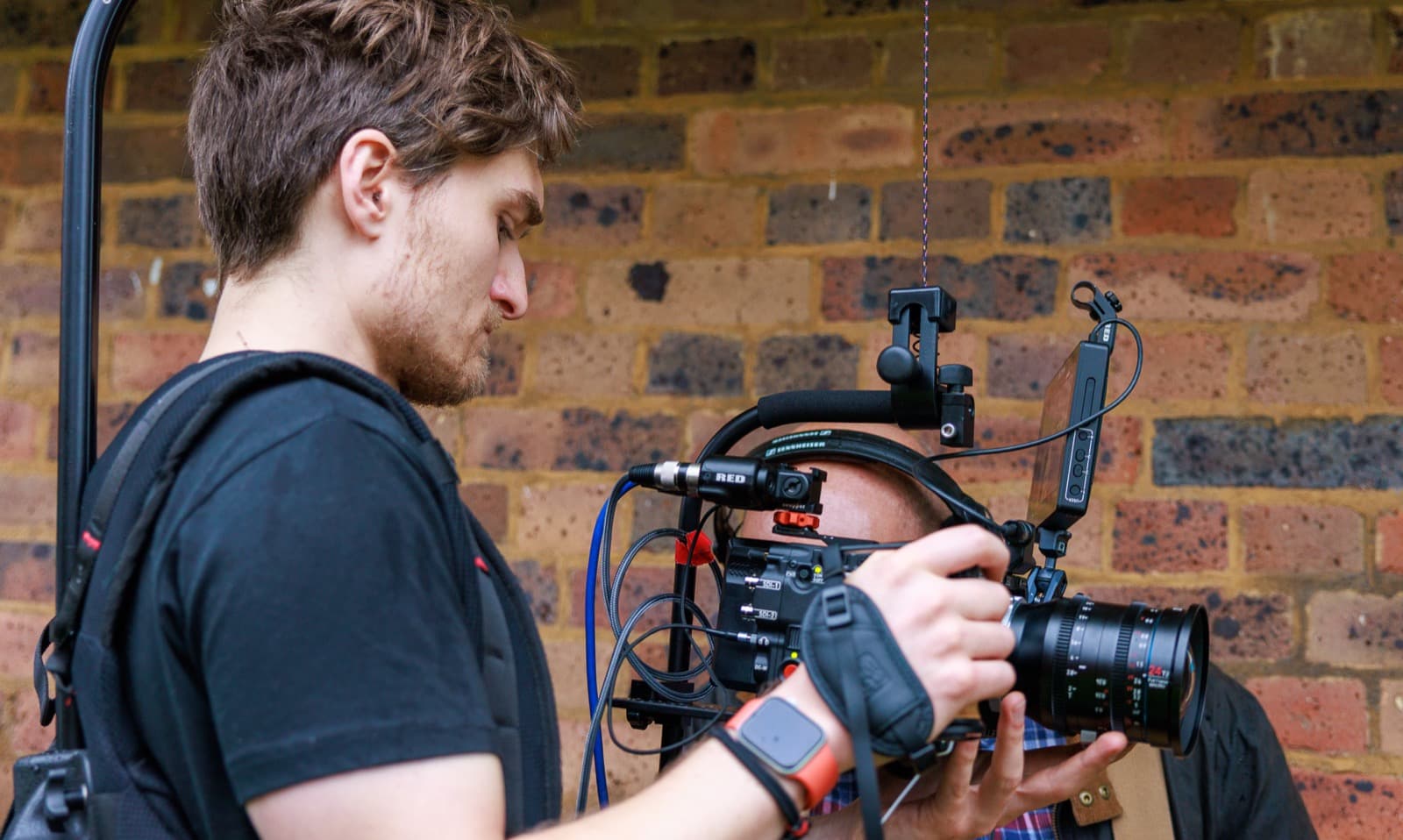
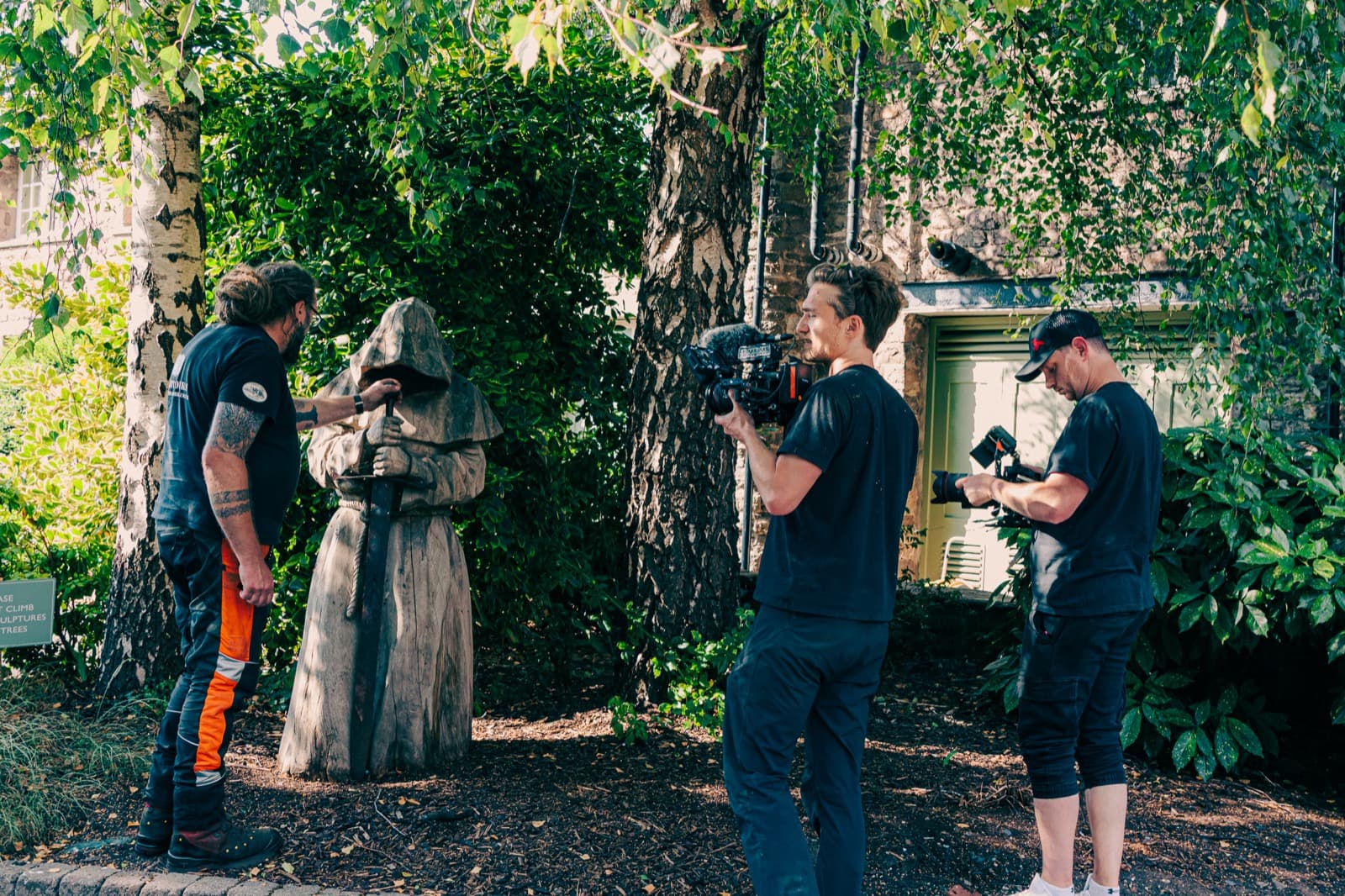
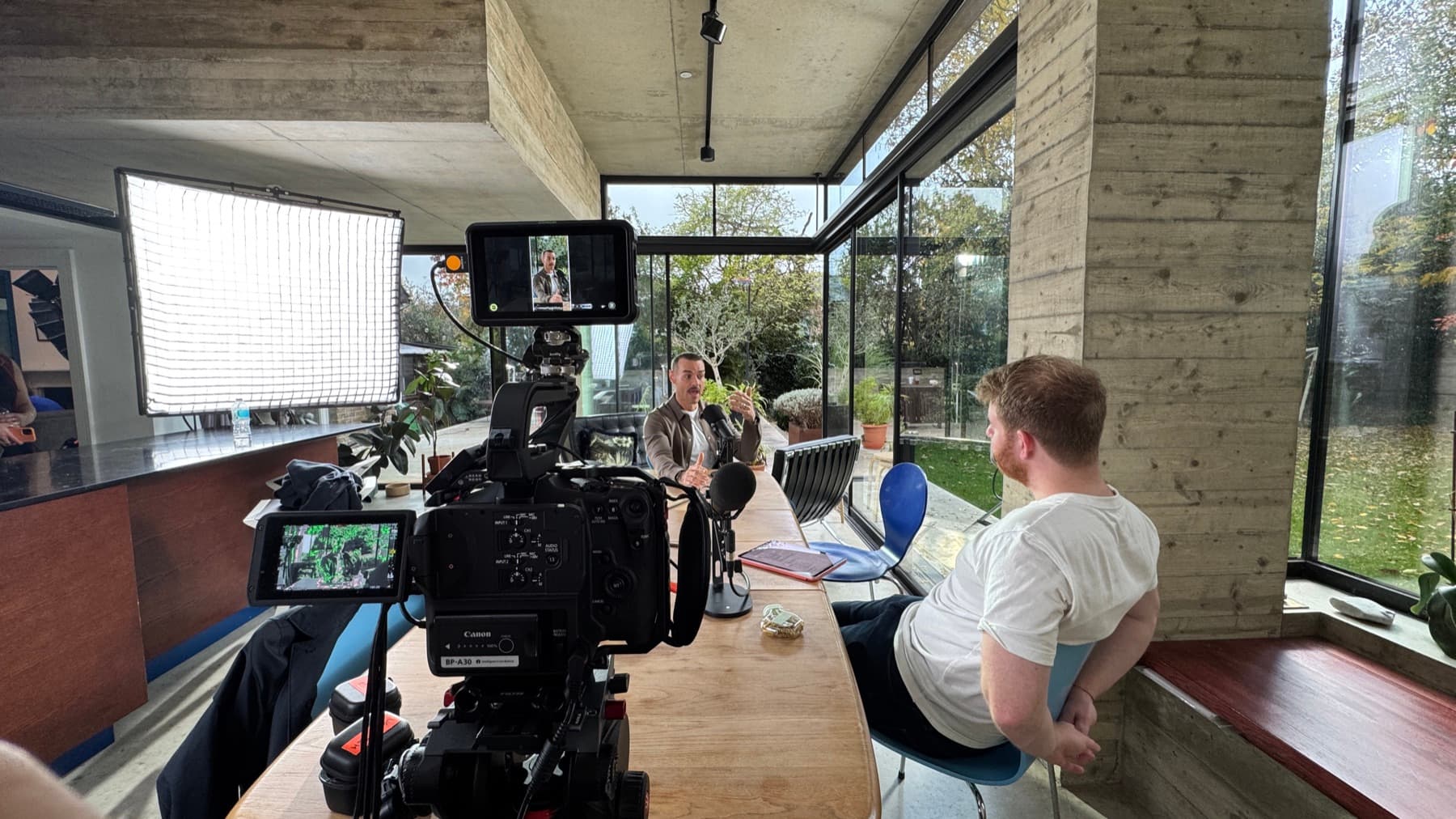
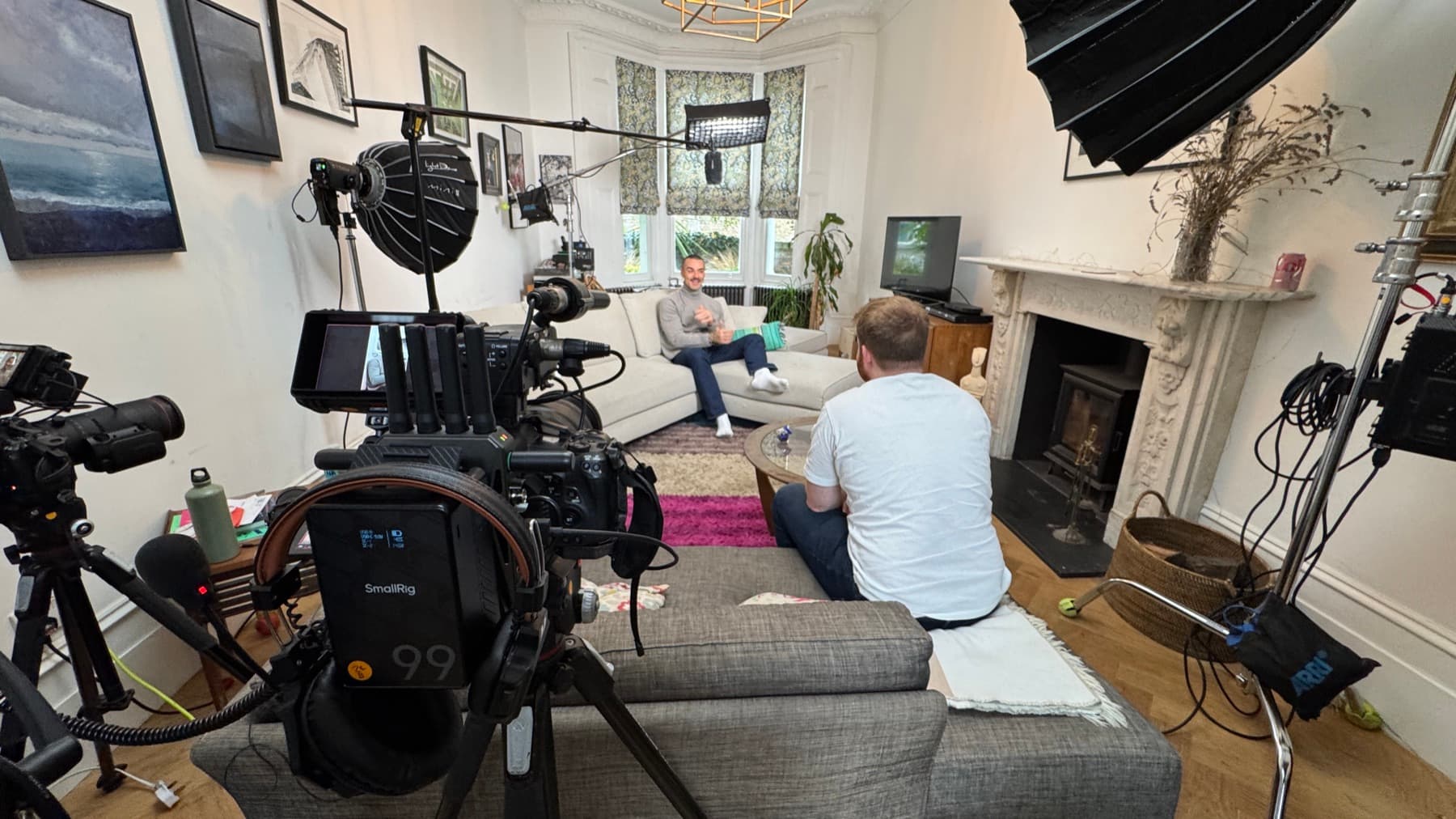
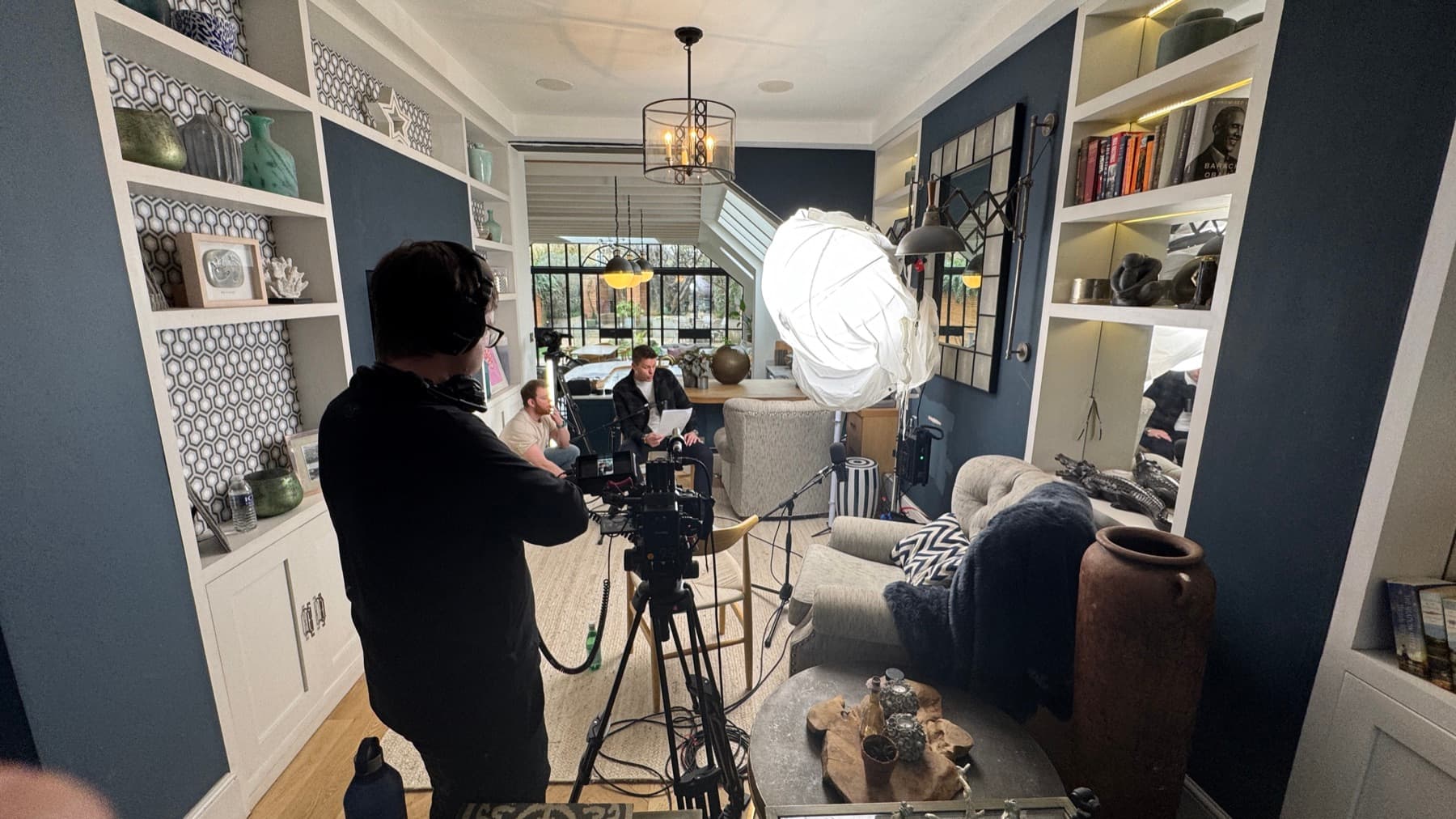
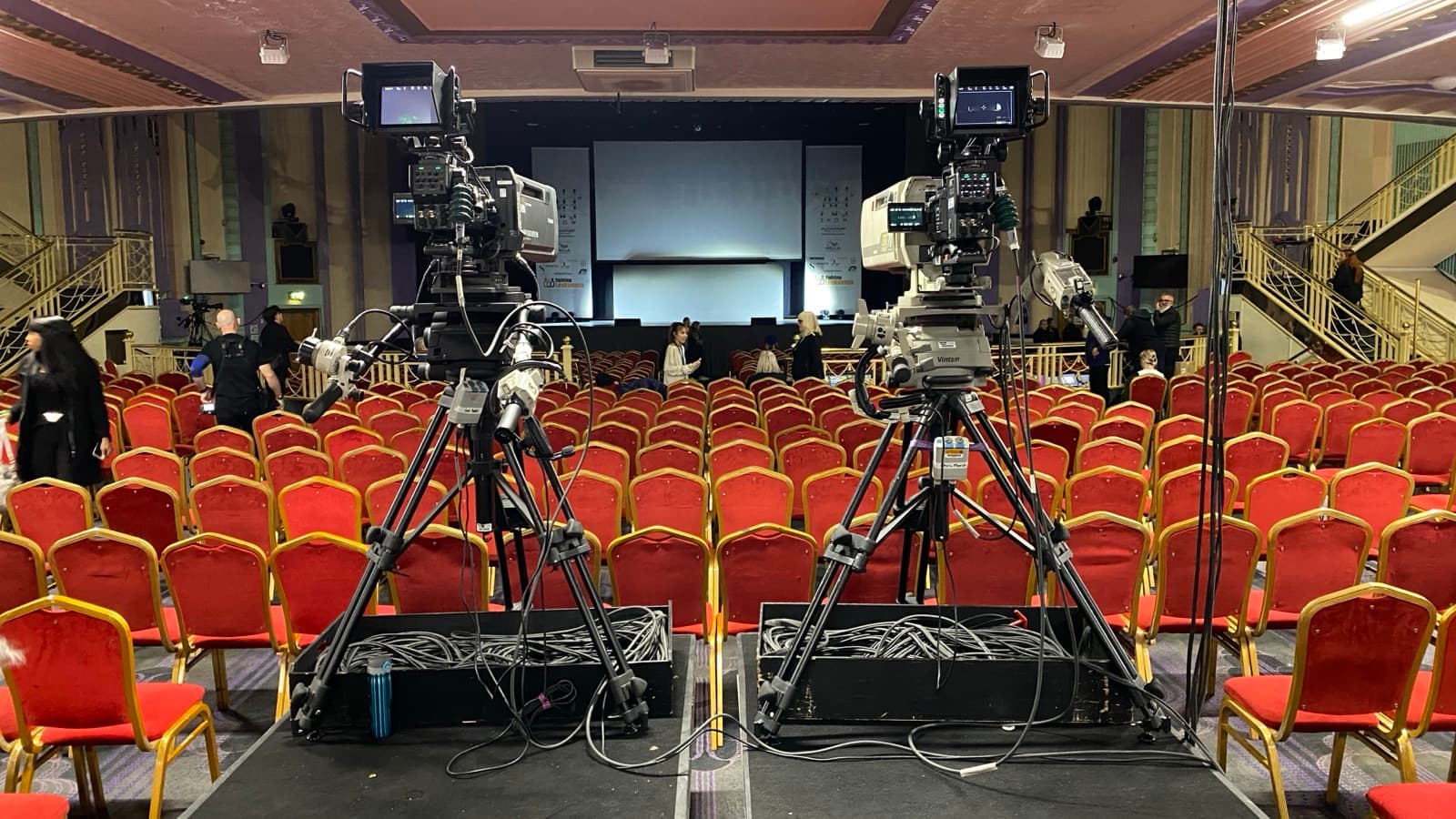
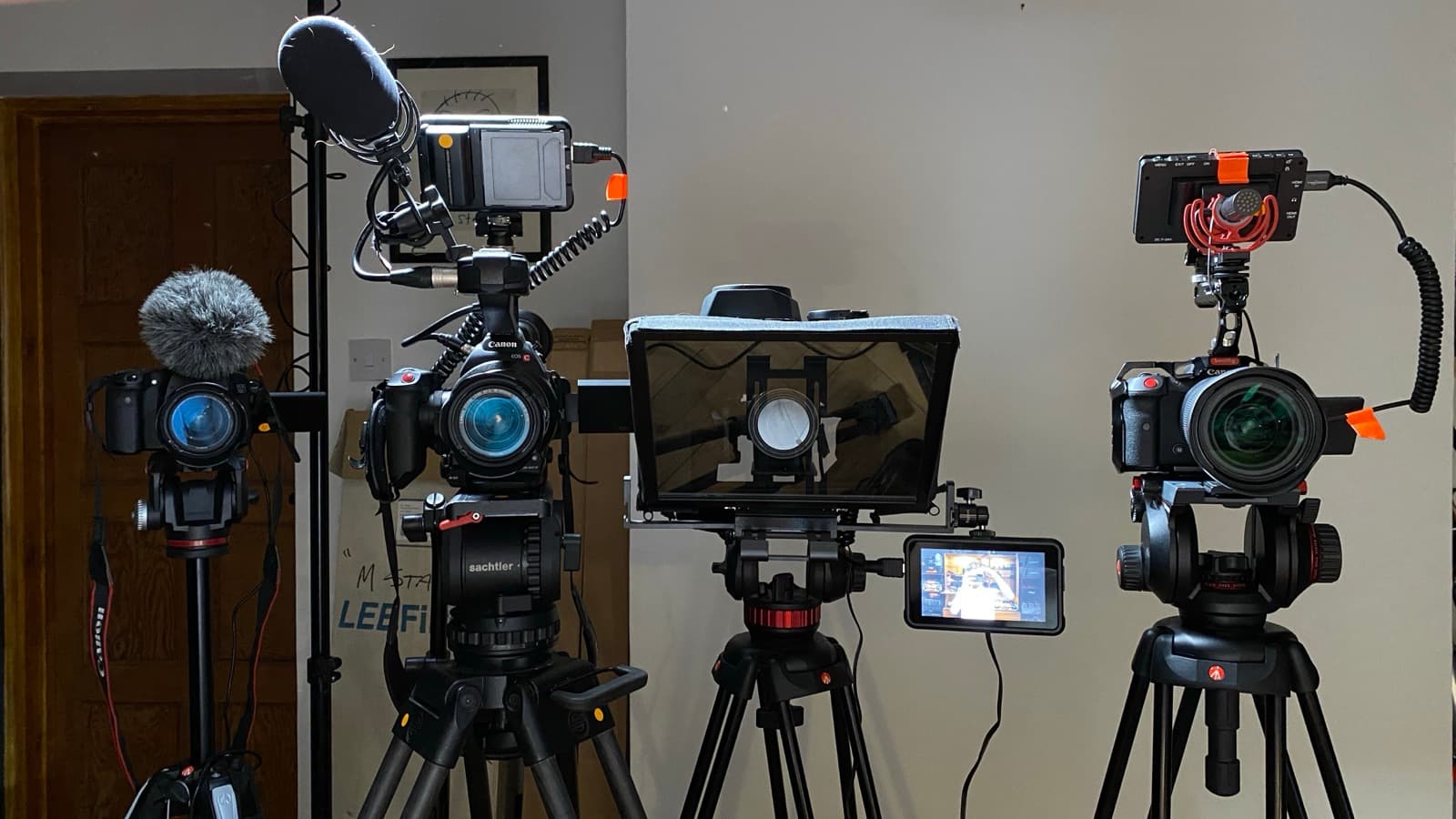
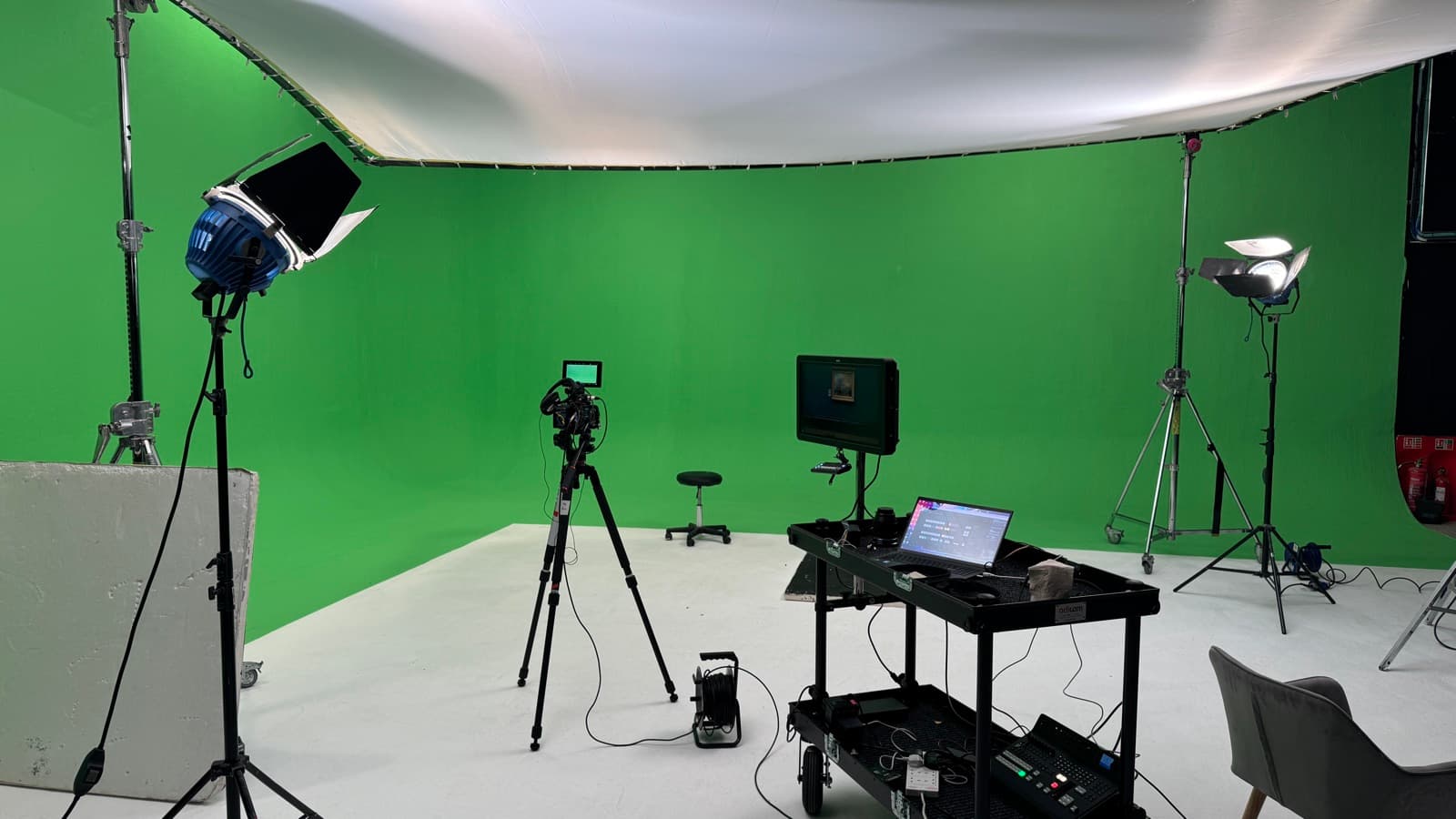
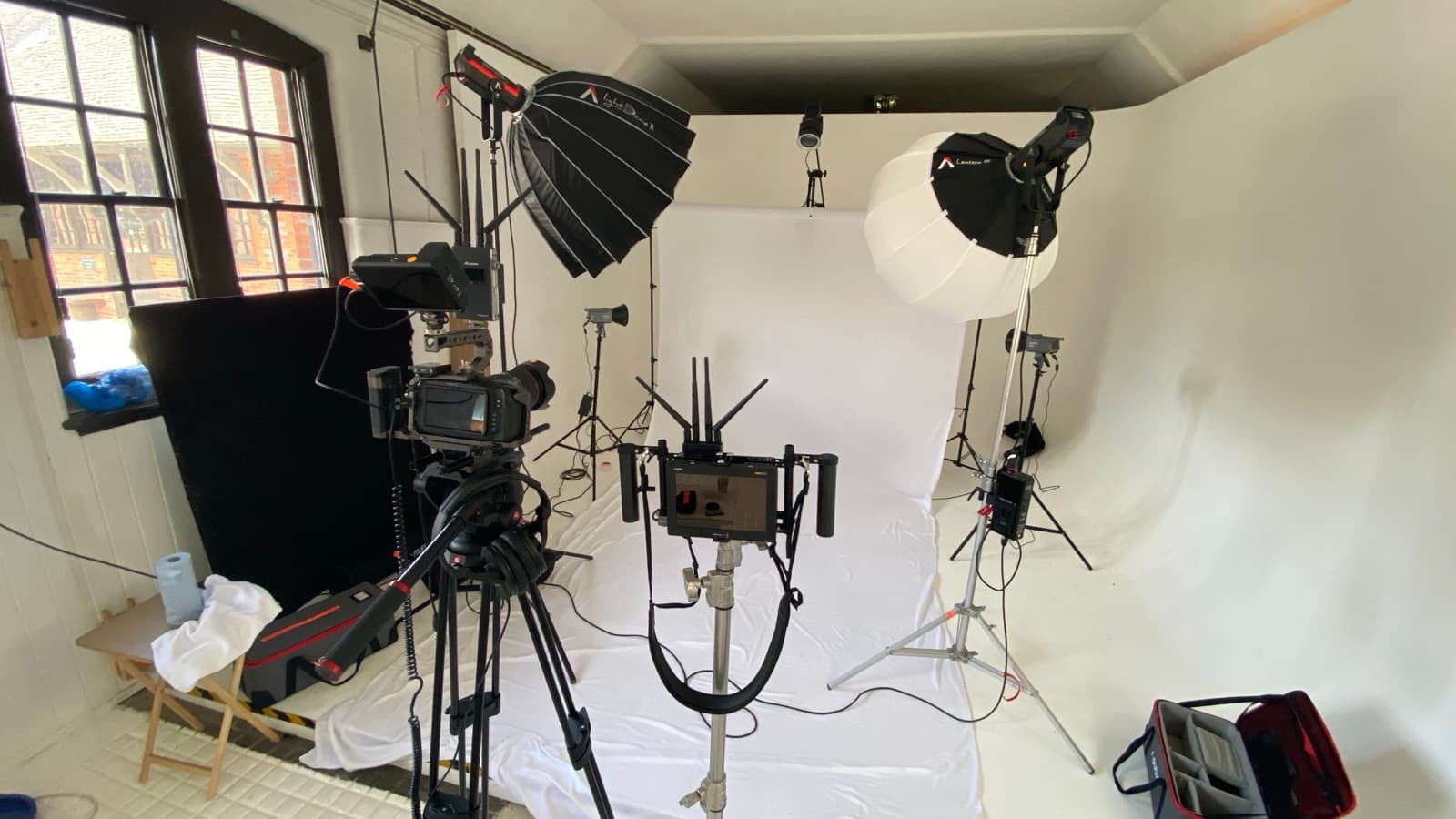
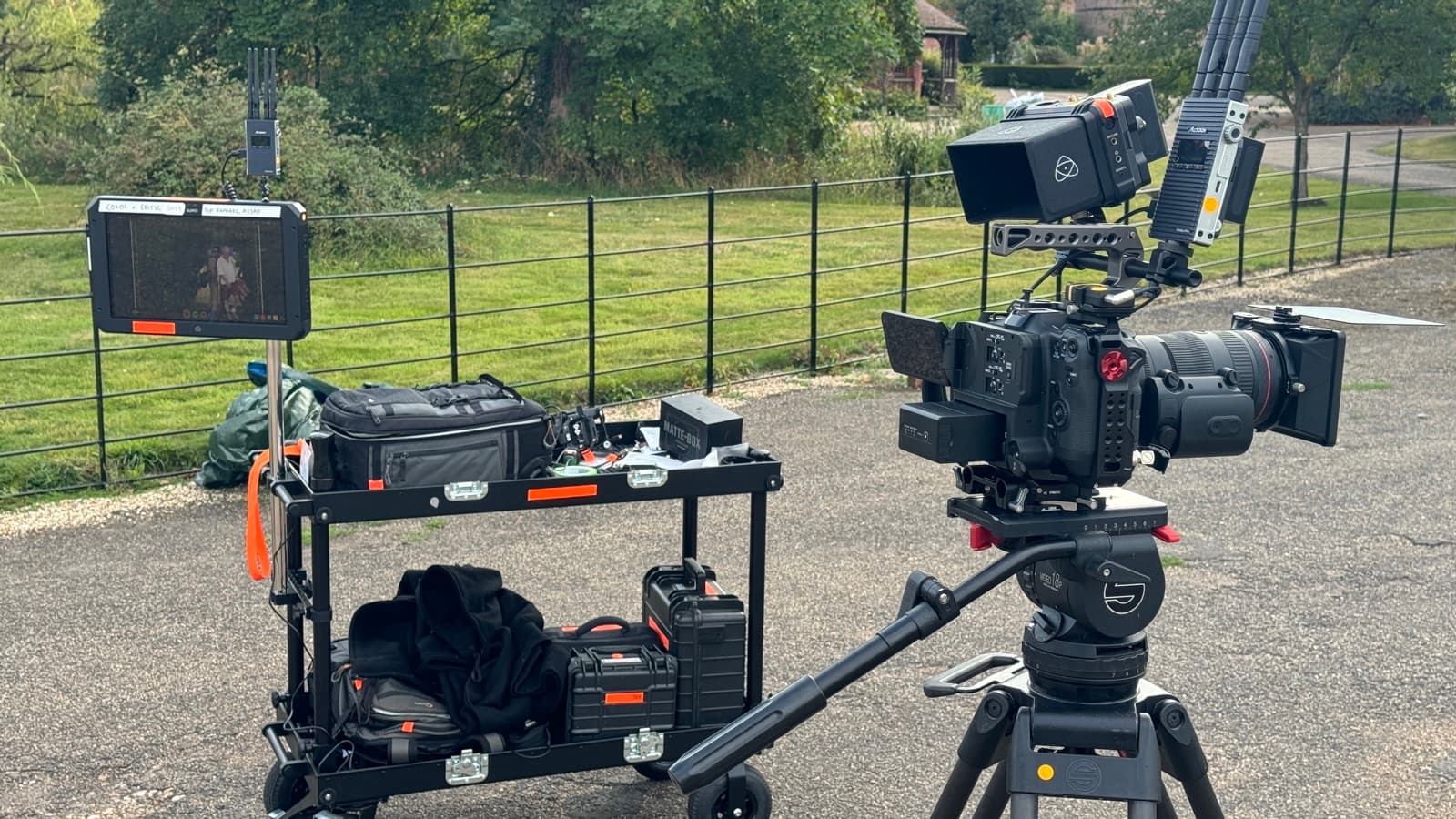
Crew reference
Who is on a Flowspire crew, and who answers to whom.
Every production draws from the same structure — it just gets deeper as the brief gets bigger. Pick a crew size and the roles that shoot at that scale come forward.
Crew size
Two to four people. A DoP and a sound recordist under a producer — the shape most brand films take. 6 roles.
Reporting lines
Four tiers, one contact.
01Above the crew
The client relationship, the strategy and the money. Yours, or your agency's.
- Client
- Agency team
- Executive Producer — scales in later
02Accountable
One producer owns delivery. Every question routes here first.
- Producer
- Production Manager — scales in later
03Department heads
Each owns their craft on the day and directs their own people.
- Director
- Director of Photography
- Gaffer — scales in later
- Sound Recordist
- Art Director — scales in later
- Lead Editor
04Crew
Assembled per shoot from the freelance network, briefed by their head of department.
- 1st AC — scales in later
- 2nd AC — scales in later
- DIT — scales in later
- Spark — scales in later
- Key Grip — scales in later
- Boom Operator — scales in later
- Coordinator — scales in later
- Production Assistant — scales in later
By department
Every role, what it owns, when you need it.
Production
Owns the plan, the budget, the schedule and the client.1 of 5 on this crewExecutive Producer
Signs off budgets, holds the client relationship above the project.
→ Client
Scales in later
Producer
Owns delivery end to end. The one contact for you and your client.
Top of the crew
On crew
Production Manager
Turns the plan into bookings — crew, kit, locations, releases.
→ Producer
Scales in later
Production Coordinator
Call sheets, travel, catering, the hundred small confirmations.
→ Production Manager
Scales in later
Production Assistant
Runs the floor: paperwork, wrangling, whatever the day needs.
→ Coordinator
Scales in later
Direction
Owns what ends up on screen and how the day is run.1 of 4 on this crewDirector
The creative call on performance, framing and tone.
→ Producer
On crew
1st Assistant Director
Runs the shooting day to the schedule so the director doesn't have to.
→ Director
Scales in later
Casting Director
Finds and books talent, handles usage and buyouts.
→ Producer
Scales in later
Script Supervisor
Continuity, takes and coverage — what's in the can and what isn't.
→ Director
Scales in later
Camera
Owns the image: lensing, exposure, movement and the data off the card.2 of 7 on this crewDirector of Photography
Designs the look. Leads camera and lighting together.
→ Director
On crew
Camera Operator
Operates. On a solo shoot, this is also the producer and the sound.
→ DoP
On crew
1st AC / Focus Puller
Focus, lens changes, camera build. The reason takes are usable.
→ DoP
Scales in later
2nd AC
Slate, cards, batteries, camera reports.
→ 1st AC
Scales in later
DIT / Data Wrangler
Offloads, verifies and duplicates every card before it's reused.
→ DoP
Scales in later
Drone Operator
Aerial work, with the licence and the insurance that goes with it.
→ DoP
Scales in later
Stills Photographer
Shoots the stills library alongside the film.
→ Producer
Scales in later
Lighting & Grip
Owns light and everything the camera moves on.0 of 3 on this crewGaffer
Executes the DoP's lighting plan. Owns power and safety.
→ DoP
Scales in later
Spark / Electrician
Rigs, cables and shifts the lighting package.
→ Gaffer
Scales in later
Key Grip
Dollies, cranes, sliders and rigging the camera anywhere awkward.
→ DoP
Scales in later
Sound
Owns everything that will be heard, and the tracks post has to work with.1 of 2 on this crewSound Recordist
Location sound: radios, boom, mixing and clean tracks.
→ Director
On crew
Boom Operator
Works the boom so the recordist can stay on the mix.
→ Sound Recordist
Scales in later
Art & Talent
Owns how the frame and the people in it look.0 of 4 on this crewArt Director
Set, props and dressing — the frame beyond the lighting.
→ Director
Scales in later
Stylist
Wardrobe for talent and contributors.
→ Art Director
Scales in later
Hair & Make-up
On camera the difference is not subtle.
→ Producer
Scales in later
Presenter / Talent
Cast or contributor, briefed and released before the day.
→ Director
Scales in later
Post-production
Owns everything after wrap, through to organised delivery.1 of 5 on this crewLead Editor
Story, structure and every version the placements demand.
→ Producer
On crew
Assistant Editor
Ingest, syncs, project hygiene and the versioning grind.
→ Lead Editor
Scales in later
Colourist
Grade and consistency across every deliverable.
→ Lead Editor
Scales in later
Sound Mixer
Dialogue clean-up, music balance, final mix to spec.
→ Lead Editor
Scales in later
Motion Designer
Titles, lower thirds, subtitles and the brand graphics kit.
→ Lead Editor
Scales in later
Conventions
How the structure behaves on the day.
- One contact, always
- The producer is the only person your client needs. Nobody on the crew is briefed by the client directly, and nobody escalates past the producer.
- Doubling up is normal
- Below six people, roles combine — a DoP who records sound, a producer who runs the camera. It is a deliberate choice made in the plan, not a corner cut on the day.
- Call sheet order
- Production, direction, camera, lighting, sound, art, talent, then post. Same order every time, so a crew member finds their own line without reading the sheet.
- White label
- On agency work the whole structure appears under the agency's name. The reporting lines don't change; the letterhead does.
- The network, not a payroll
- A core team owns the project; everything else is assembled from freelancers we've worked with for years. That's why the structure can be four people or fourteen.
One shoot day
The same six stages, on a wet Tuesday at a football club.
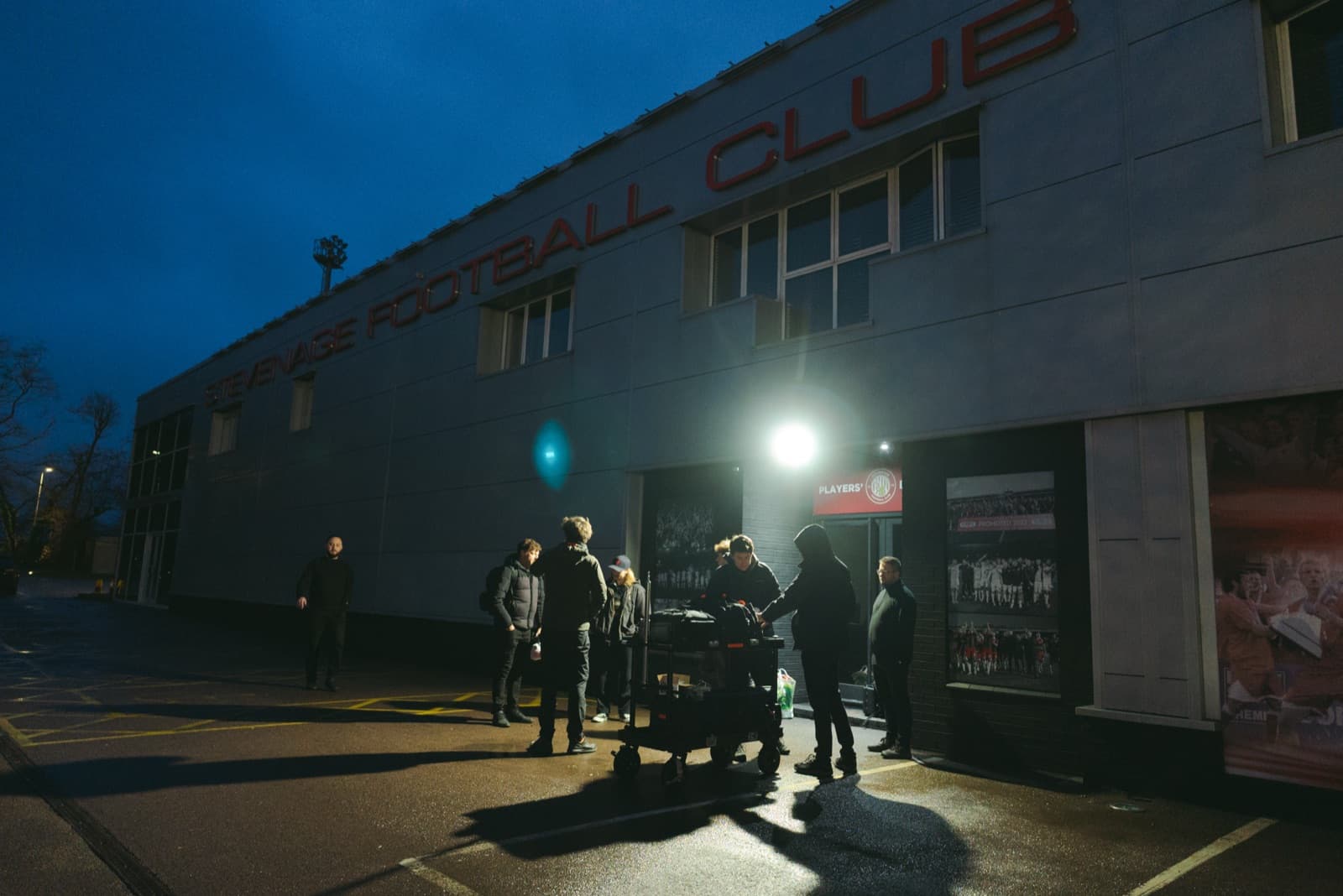
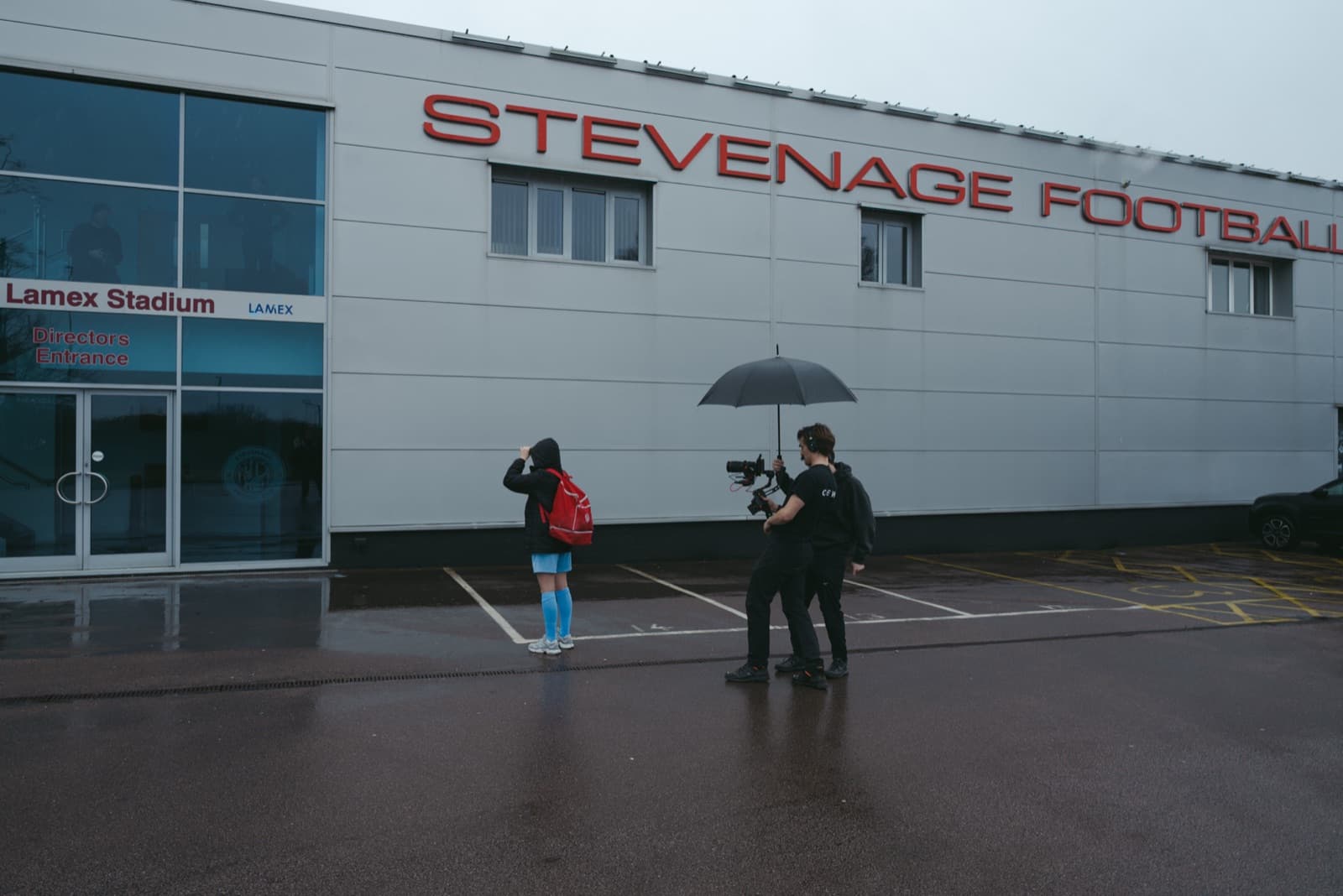
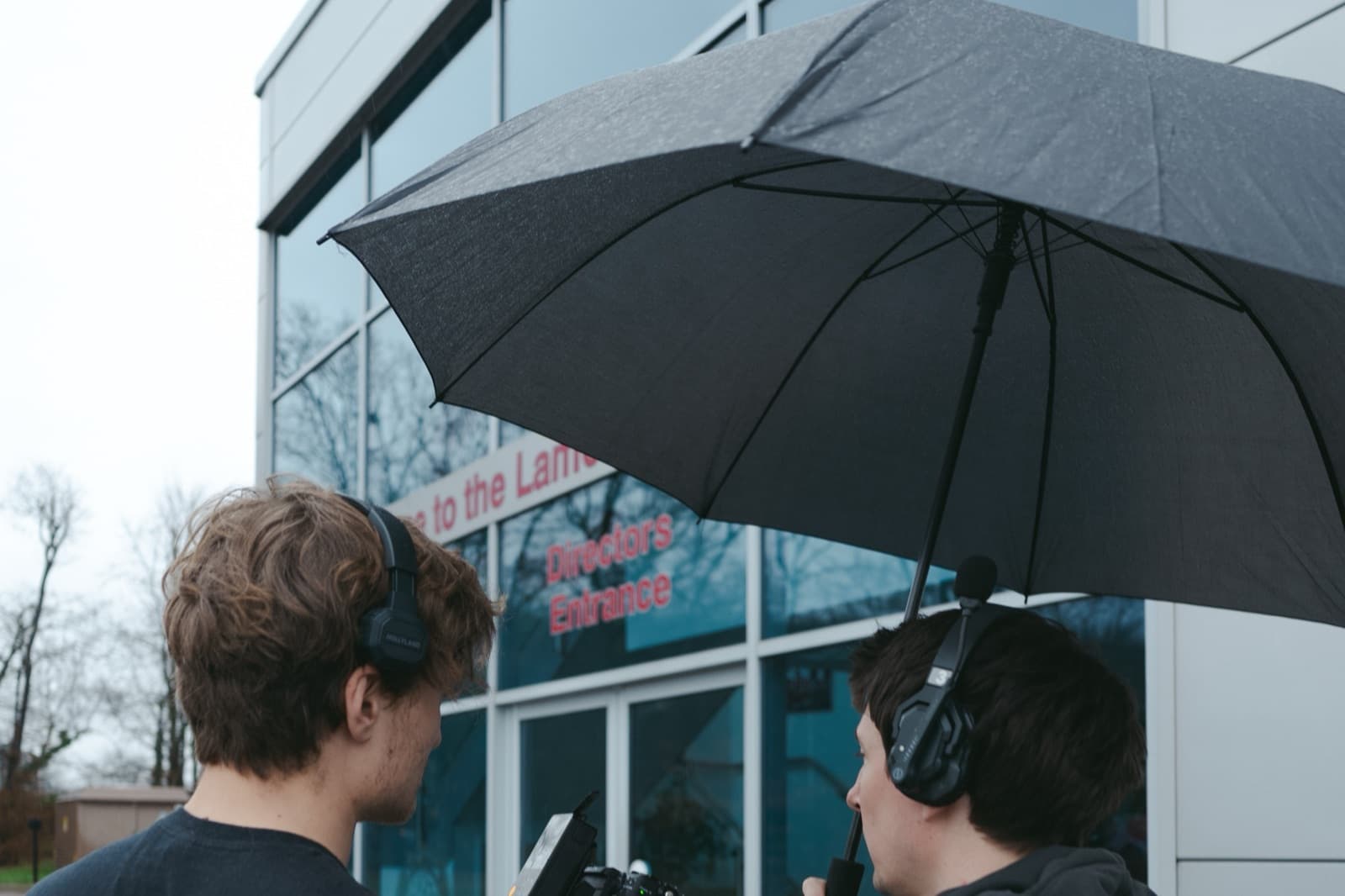
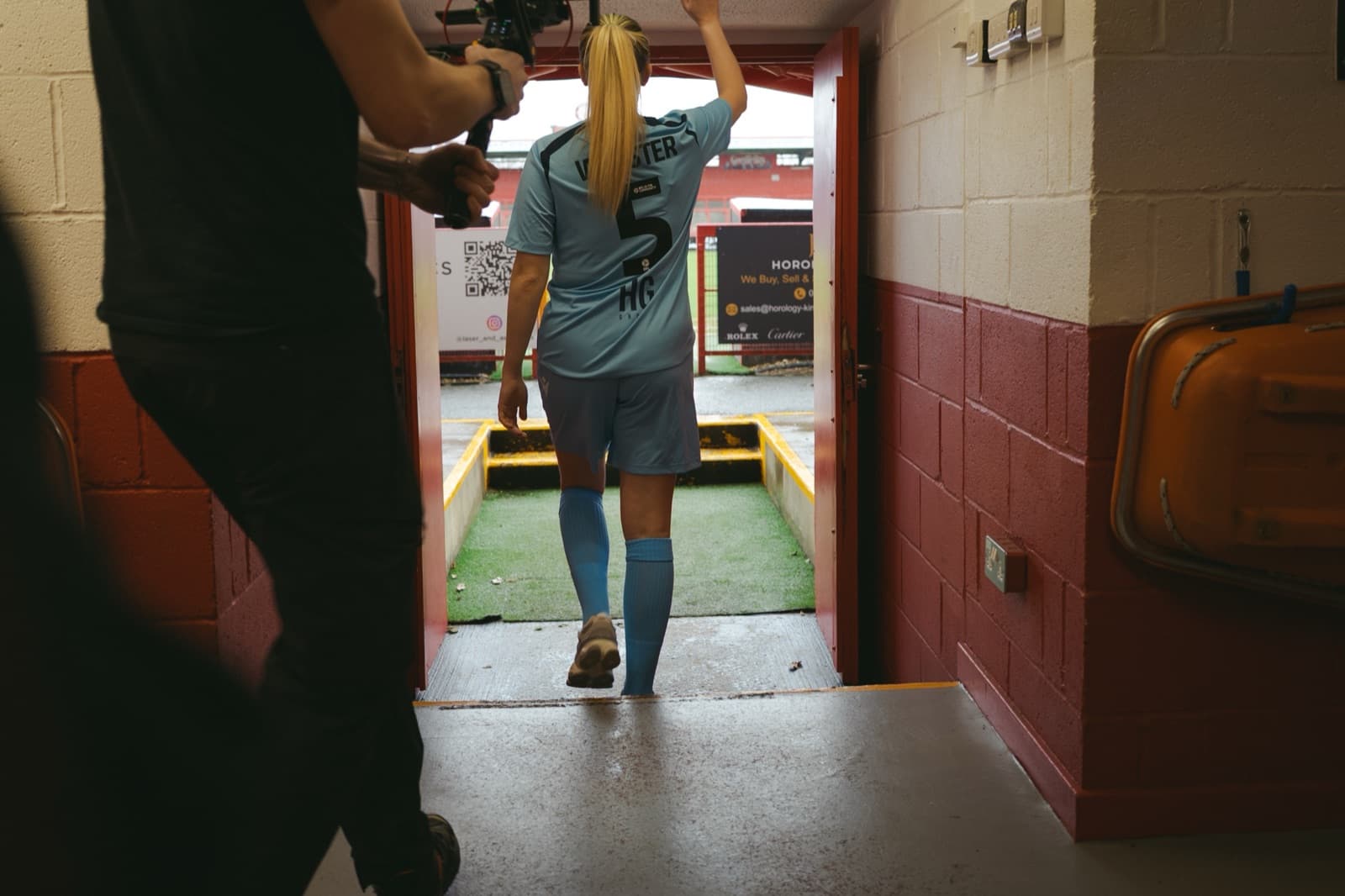
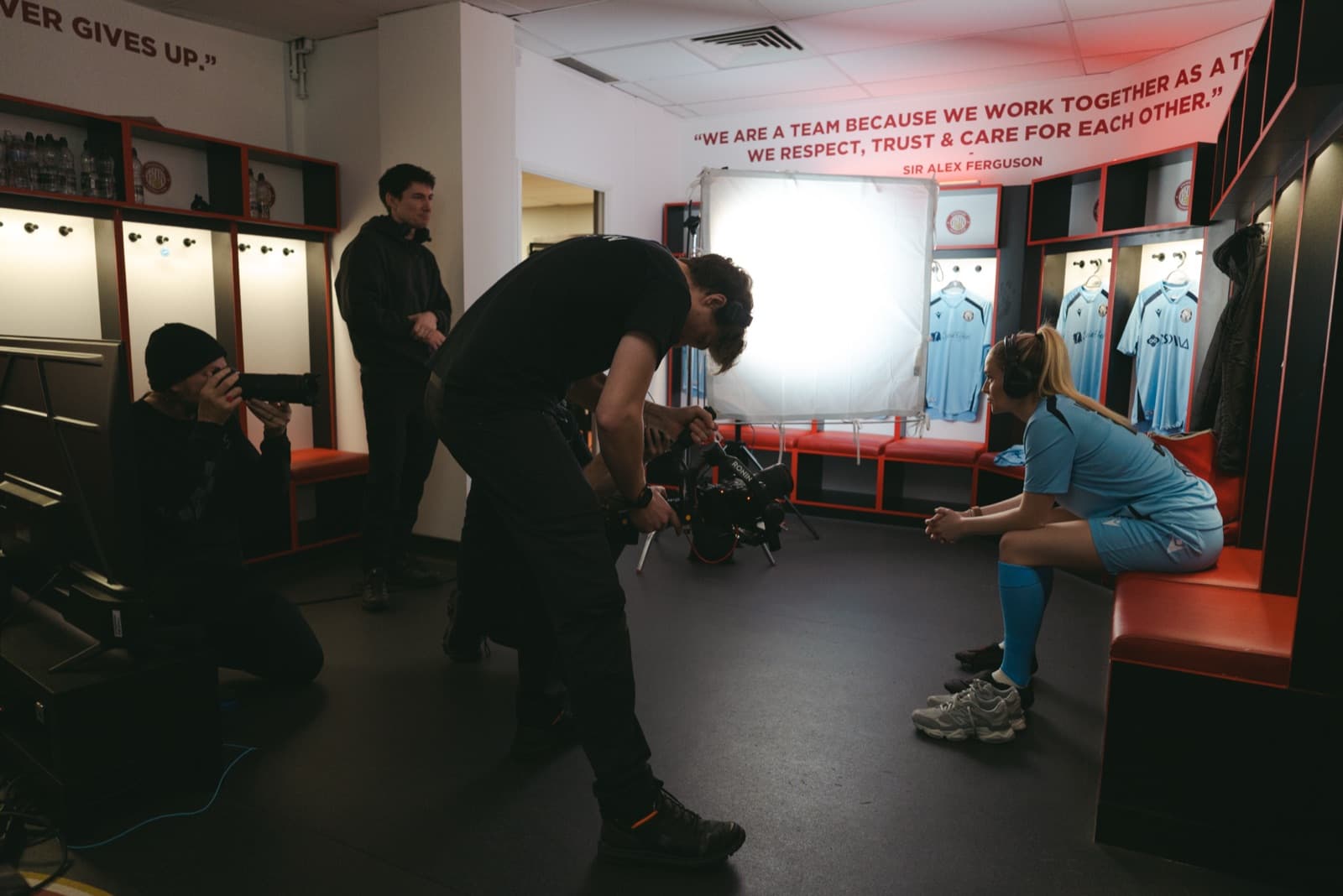
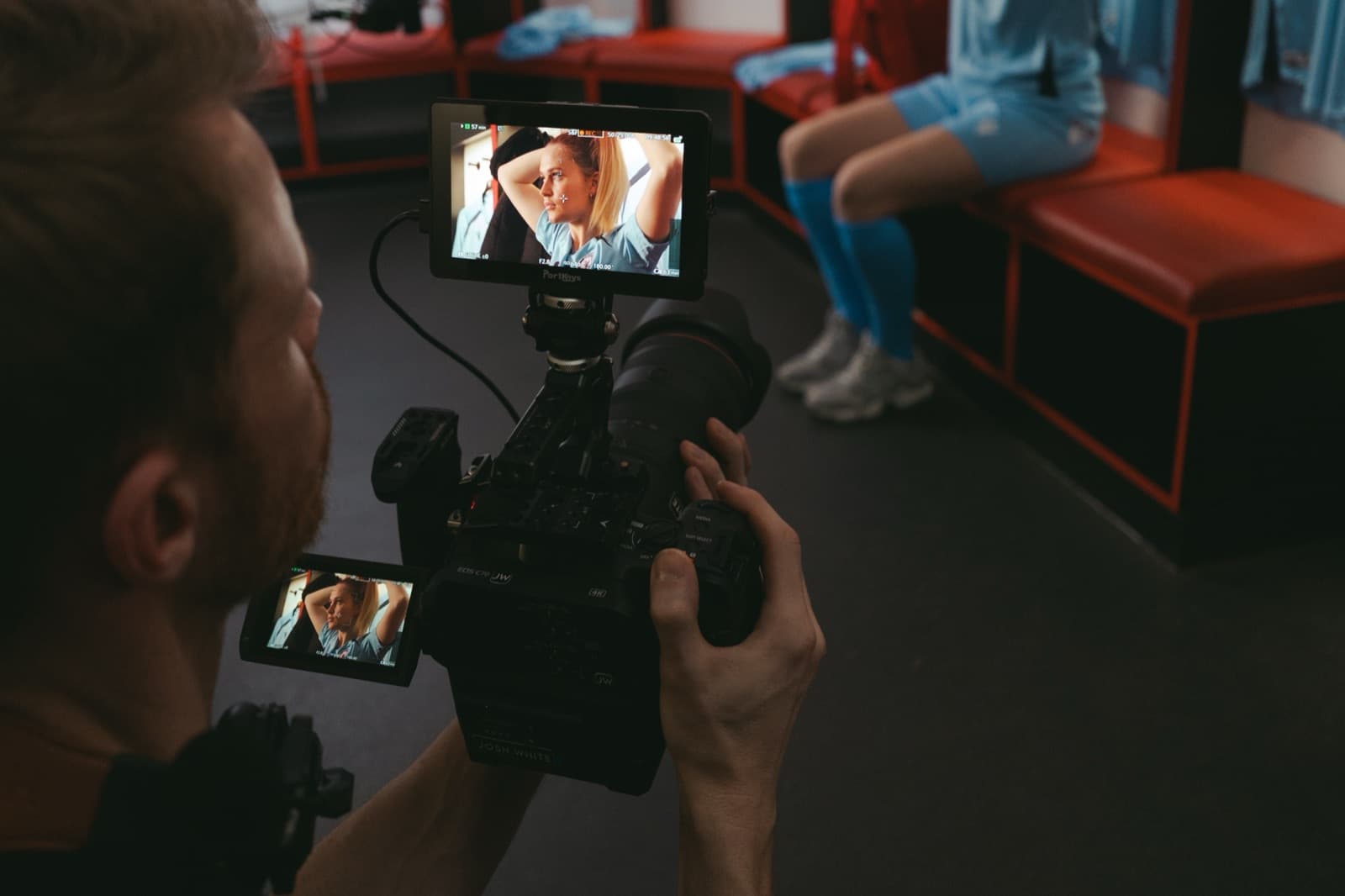
Shot with Light Tone Studios, partner production company on the day.
The creative stays yours. The production becomes ours.
Send the brief you’re working on now — we’ll come back with an approach, a crew and a number.
Want a number first? The quote builder is linked on that page.